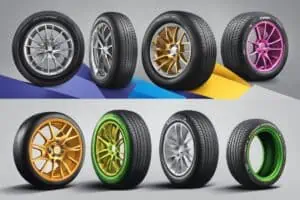
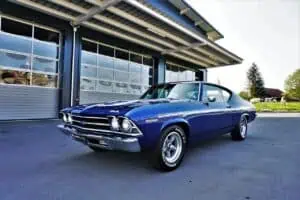
Few automotive trends have generated as much controversy, passion, and debate as stance culture. Characterized by aggressive wheel fitment, lowered suspension, and often extreme negative camber, the stance movement has evolved from underground tuning circles to mainstream automotive consciousness—and back again. This is the story of how leaning your wheels became a global phenomenon, the tires that made it possible, and where the culture stands today.
What Is Stance Culture?
Stance refers to the overall appearance and positioning of a vehicle’s wheels and suspension. The term encompasses several key elements:
Fitment: Wheels sized and positioned to sit as close to flush with the fenders as possible, often extending slightly beyond (known as “poke”).
Ride Height: Suspension lowered significantly, sometimes to the point where vehicles struggle with speed bumps and driveway approaches.
Camber: The angle of the wheels when viewed from the front or rear. Negative camber tilts the top of the wheel inward, while positive camber tilts it outward. Stance culture typically features extreme negative camber.
Stretch: Mounting narrower tires on wider wheels, causing the tire sidewalls to “stretch” and pull inward, creating a distinctive aesthetic.
At its core, stance prioritizes visual impact over performance metrics, challenging conventional automotive wisdom that form should follow function.
The Early Days: 1990s – The Underground Era
Japanese Roots (1990-1995)
The story begins in Japan during the early 1990s. Japanese tuning culture had already established itself through various movements—the VIP style of modified luxury sedans, the bosozoku aesthetic of extreme modifications, and the growing drift scene. Within these communities, creative individuals began experimenting with wheel fitment beyond typical racing standards.
Early pioneers weren’t trying to create a new movement—they were solving problems. Japanese roads and parking spaces are notoriously tight. Wider wheels for improved grip often meant dealing with clearance issues. Rather than accepting limitations, these tuners began manipulating camber and stretching tires to fit impossibly wide wheels under stock fenders.
Magazines like Option, Drift Tengoku, and Video Option documented these builds, but international audiences were limited. The internet barely existed in a meaningful way, and information traveled slowly through printed media and VHS tape trading networks.
Tire Considerations of the Era:
- Mostly focused on performance tires being repurposed
- Yokohama, Bridgestone, and Falken were common choices
- Stretch was minimal and functional rather than extreme
- 205-225mm widths on 9-10″ wheels were considered aggressive
American Import Scene Emerges (1995-2000)
As Japanese imports gained popularity in North America, so did Japanese tuning aesthetics. However, the American interpretation initially remained performance-focused. Honda Civics, Acura Integras, Nissan 240SXs, and Mazda RX-7s dominated the scene, but most owners prioritized track performance over static appearance.
The term “stance” didn’t yet exist in common usage. What would later be called stance was simply considered aggressive fitment—a side effect of running wide racing wheels rather than a goal in itself.
The Rise: 2000-2010 – Stance Goes Mainstream
The Internet Changes Everything (2000-2005)
Online forums revolutionized car culture. Communities like Honda-Tech, ClubRoadster, Vortex, and Zilvia created spaces where enthusiasts could share builds, techniques, and philosophies. For the first time, a kid in Ohio could see a build from Osaka in real-time.
Around 2003-2004, certain forum users began pushing fitment boundaries specifically for aesthetic purposes. Wheels got wider, offsets got more aggressive, and camber increased. The first dedicated stance threads appeared, showcasing builds that prioritized “the look” over quarter-mile times or lap speeds.
Key Development: Air suspension technology became more accessible and affordable. Companies like Air Lift Performance and Airrex made it possible to achieve extreme low while maintaining drivability. You could lay frame in a parking lot, then raise the car to reasonable height for driving.
Tire Evolution:
- Falken Azenis became the “stance tire” of choice
- Nankang NS-2 offered budget-friendly stretch capability
- 205/40R17 on 9.5″ wheels became common
- First dedicated discussions about optimal stretch ratios appeared
The Golden Era (2006-2012)
This period represents stance culture’s explosive growth and peak mainstream acceptance. Several factors converged:
Social Media: MySpace, then Facebook, and especially Flickr and early Instagram allowed instant sharing of builds. Stanced cars were undeniably photogenic—they looked dramatic in photos, driving engagement and shares.
Influential Builds: Certain cars became legendary. Nakai-san’s RAUH-Welt Begriff Porsches, Liberty Walk’s aggressive wide-body kits, and countless Hellaflush-certified builds set standards for the movement.
Events: Dedicated stance shows emerged. Wekfest, Stance Nation, First Class Fitment, and others drew thousands of attendees. These weren’t just car shows—they were cultural gatherings.
Media Coverage: Major automotive publications began featuring stance builds. Even mainstream outlets like Top Gear acknowledged the movement, albeit often critically.
The Hellaflush Movement: The term “hellaflush” (extremely flush wheel fitment) became synonymous with stance culture. Hellaflush.com and StanceWorks.com became central hubs, curating the best builds and establishing aesthetic standards.
Commercial Recognition: Tire manufacturers noticed. While most wouldn’t officially endorse extreme stretching, they understood the market. Certain tire models became known for favorable stretch characteristics.
Peak Tire Choices (2006-2012):
- Falken FK-452/453: The go-to stretch tire, willing to mount on impressively wide wheels
- Nankang NS-2/NS-20: Budget option that stretched aggressively
- Federal 595 SS/RS-R: Gained cult following for extreme stretch capability
- Hankook Ventus V12: Mid-range option with good stretch properties
- Achilles ATR Sport: Ultra-budget tire known for extreme stretch tolerance
- Toyo T1R: Performance-oriented tire that handled moderate stretch well
Popular Stretch Configurations:
- 195/45R15 on 9″ wheels
- 205/40R17 on 9.5-10″ wheels
- 215/40R18 on 10-11″ wheels
- Extreme: 165/45R16 on 8″ wheels (primarily show cars)
The Backlash Begins (2010-2012)
As stance culture gained visibility, criticism intensified. Safety concerns, questions about tire integrity under extreme stretch, and philosophical debates about form versus function dominated online discussions.
Police in various jurisdictions began targeting stanced vehicles for modified suspension, wheel protrusion beyond fenders, and inadequate tire coverage. YouTube videos of cars scraping over speed bumps became ammunition for critics.
Within the community itself, debates emerged about where to draw the line. Was -15° of camber too much? What about static (non-air suspension) cars that couldn’t drive over a dime?
The Maturation: 2012-2018 – Evolution and Fragmentation
Refinement and Restraint
After years of pushing boundaries, many influential builders began pulling back from extremes. A new philosophy emerged: aggressive but functional. This “streetable stance” maintained the aesthetic while ensuring cars could actually be driven regularly.
Key shifts:
- Air suspension became standard for serious builds rather than exceptional
- Camber angles moderated from -10° to more reasonable -3° to -5°
- Stretch ratios became more conservative
- Focus shifted to quality components and proper execution
Tire Industry Response: While no major manufacturer would officially endorse extreme stretching, the market reality was clear. Certain tire models were known to be “stretch-friendly,” and dealers understood which customers needed which characteristics.
Some manufacturers began offering wider fitment options in smaller diameters, reducing the need for extreme stretch to achieve desired looks. Others simply discontinued tire sizes that were predominantly used for stretching after liability concerns.
Evolved Tire Preferences (2012-2018):
- Federal 595 RS-RR: Became the semi-slick of choice for street-driven stance builds
- Nitto NT05: Aggressive street tire that handled moderate stretch
- Toyo R888R: Track-focused tire adopted by performance-stance hybrid builds
- Michelin Pilot Sport series: Performance-oriented owners gravitated toward these
- Budget brands: Continued popularity but with increased scrutiny on quality
Subculture Fragmentation
Stance culture splintered into distinct camps:
Show Stance: Extreme static cars trailered to events, prioritizing visual impact above all else. These builds featured the most aggressive camber and stretch.
Street Stance: Air-equipped cars with aggressive but drivable specifications. Could park in a lot looking extreme but drive home at reasonable height.
Performance Stance: Builds that maintained stance aesthetics while preserving legitimate handling capability. Moderate camber, appropriate tire width, quality suspension components.
OEM+: The “grown-up” approach—tasteful lowering on quality coilovers, flush fitment with minimal stretch, emphasis on refinement over aggression.
The Decline: 2018-2020 – Changing Tides
Cultural Shift
Multiple factors contributed to stance culture’s decline from peak popularity:
Instagram Algorithm Changes: Social media platforms adjusted algorithms, reducing organic reach for niche content. The viral sharing that fueled stance culture’s rise became harder to achieve.
Maturing Enthusiasts: The teenagers and twenty-somethings who drove the initial movement aged into their thirties. Priorities shifted toward practicality, family responsibilities, and different automotive interests.
Increased Scrutiny: Law enforcement crackdowns intensified. Insurance implications became clearer. The “outlaw” aspect lost appeal when consequences became tangible.
Safety Concerns Validated: Several high-profile incidents involving stretched tires and extreme camber reinforced critics’ concerns. While rare, accidents attributed to stance modifications damaged the culture’s reputation.
Rise of Alternative Cultures: Overlanding, off-road builds, and “safari” styling gained traction, offering fresh aesthetics and different philosophical approaches.
Tire Availability Issues: Manufacturers quietly discontinued some sizes popular with stance builders. The 205/40R17—once ubiquitous in stance culture—became harder to find from quality brands. Budget tire manufacturers that built reputations on stretch-friendly designs either went out of business or shifted focus to other markets.
The COVID Effect (2020)
The pandemic paradoxically both hurt and helped what remained of stance culture. Shows cancelled, limiting community gathering points. However, stimulus checks and increased time at home led some enthusiasts to invest in builds. The culture continued but with less visibility and fewer gathering opportunities.
The Current State: 2020-Present – Underground Again
Back to Roots
Today’s stance scene bears similarities to its 1990s origins—smaller, more underground, less mainstream. The culture hasn’t disappeared; it’s evolved and gone back underground.
Current Characteristics:
Smaller Community: Fewer participants but more dedicated. Those involved typically have deeper knowledge and better execution than during the mainstream era.
Quality Over Shock Value: Modern stance builds emphasize quality components, proper engineering, and refined execution rather than extreme angles for social media likes.
Hybrid Approaches: Many builds blend stance aesthetics with other cultures—JDM heritage, period-correct restoration, or performance capability.
Geographic Pockets: Strong communities persist in California, Texas, the Pacific Northwest, and parts of the East Coast. International scenes remain active in Japan, Indonesia, Thailand, and parts of Europe.
Age Demographics: The community skews older now, with more financial resources and mechanical knowledge than the scene’s peak years.
Modern Tire Landscape for Stance
The tire industry has largely moved on from the extreme stretch era, but options remain:
Current Go-To Tires:
- Nankang NS-25: Spiritual successor to the NS-2, still offers reasonable stretch capability
- Federal 595 RS-RR: Remains popular for its semi-slick grip and acceptable stretch
- Accelera 651 Sport: Budget option that fills the gap left by discontinued competitors
- Sailun Atrezzo: Emerging as surprisingly capable for moderate stretch applications
- Nitto NT555 G2: Quality street tire that handles conservative stretch well
What’s Changed:
- Fewer extreme sizes available (165/45, 185/35, etc.)
- Major manufacturers quietly dropped “problem” sizes
- Increased liability awareness from tire shops
- More shops refuse extreme stretch mounting
- Better understanding of safe versus unsafe stretch ratios
Modern Stretch Philosophy: Today’s builders typically observe more conservative guidelines:
- Maximum 20mm stretch (tire width minus rim width in inches × 25.4)
- Avoid stretching below 195mm width
- Maintain appropriate load ratings
- Regular inspection for sidewall damage
- Air pressure monitoring
The Rise of Wider Wheels, Proper Sizing
Interestingly, as stance culture matured, a counter-movement emerged emphasizing proper tire fitment even on aggressive setups. Wide wheels with appropriately sized tires—no stretch—became the “mature” approach. This philosophy maintains aggressive fitment while avoiding the compromises of stretched tires.
Regional Variations and Global Perspectives
Japan: Where It Started
Japanese stance culture has come full circle. While extreme builds still exist, there’s renewed appreciation for subtle, refined approaches. The “drift missile” aesthetic—beaten work cars with aggressive fitment but prioritizing function—has gained respect.
Interestingly, Japan never experienced quite the same extreme phase as Western markets. Japanese builders generally maintained more conservative camber angles and stretch ratios even during the peak years.
Southeast Asia: The New Frontier
Indonesia, Thailand, and other Southeast Asian countries now represent some of stance culture’s most active scenes. Economic growth created a middle class with disposable income and passion for car modification. These markets embrace aesthetics Western builders now consider dated, but with regional flavor and interpretation.
Europe: Understated Aggression
European stance culture tends toward refinement—quality suspension, subtle but precise fitment, emphasis on period-correctness for vintage platforms. The extreme camber and stretch common in US builds are less prevalent. German and Scandinavian builders particularly favor the OEM+ approach.
United States: Fragmented and Evolving
The US scene, once stance culture’s largest market, has fragmented significantly. Pockets of extreme builders remain, but the majority have moderated approaches or moved to different automotive subcultures entirely.
The Technical Reality: What Stance Does to Tires
Understanding the mechanical implications of stance modifications helps explain the culture’s evolution:
Extreme Camber Effects
Tire Contact Patch: At -5° camber, your contact patch is significantly reduced. At -10° or more, you’re essentially running on the inside edge of your tire.
Wear Patterns: Extreme camber causes rapid inner edge wear. A set of tires might last 5,000-10,000 miles versus 30,000+ miles with proper alignment.
Traction Implications: Straight-line traction suffers dramatically. Emergency braking effectiveness decreases. Wet weather performance becomes concerning.
Load Distribution: Weight concentrates on small portions of the tire, increasing pressure and heat in those areas.
Tire Stretch Consequences
Sidewall Stress: Stretched tires experience constant tension in sidewalls, making them more susceptible to impact damage.
Bead Seating: The tire bead may not seat properly on the wheel, creating potential for air leaks or complete separation under stress.
Reduced Stability: Sidewall support decreases, affecting handling predictability.
Heat Generation: Flexing patterns change, potentially increasing operating temperatures.
Mounting Challenges: Many tire shops refuse extreme stretch mounting due to liability concerns and safety risks during installation.
The Photography Factor
One cannot discuss stance culture without addressing photography’s role. Stanced cars are inherently photogenic—the aggressive wheel positioning, dramatic lowness, and exaggerated proportions create striking images that perform exceptionally well on social media.
This created a feedback loop: builders modified cars to look good in photos, photos got engagement, others emulated the style. When photo-sharing platforms changed algorithms or users experienced “aesthetic fatigue,” stance culture’s visibility declined accordingly.
Modern stance builders are less concerned with social media validation, building cars for personal satisfaction and local community appreciation rather than global internet fame.
Lessons Learned and Cultural Legacy
What Stance Culture Taught Us
Pushing Boundaries: The movement demonstrated that automotive modification could be pure artistic expression rather than purely performance-oriented.
Community Building: Stance culture created tight-knit communities and friendships that persist beyond the cars themselves.
Technical Innovation: Problem-solving extreme fitment challenges led to innovation in suspension design, wheel manufacturing, and installation techniques.
Manufacturing Impact: Wheel manufacturers now offer wider variety of sizes, offsets, and finishes directly influenced by stance culture demands.
Documentation: The movement created unprecedented documentation of builds through forums, social media, and video content—an invaluable resource for future enthusiasts.
The Cautionary Tales
Safety Compromises: The culture sometimes prioritized aesthetics over safety, leading to accidents and injuries that could have been avoided.
Financial Costs: Many enthusiasts invested heavily in builds that became difficult to sell or use practically.
Legal Consequences: Tickets, impounds, and insurance issues affected many participants.
Mechanical Consequences: Extreme modifications often caused premature wear, breakage, or failure of suspension and wheel components.
Where Things Stand Today
Stance culture in 2025 exists in a different form than its 2010-2012 peak. The community is smaller but arguably healthier—less focused on extremes, more concerned with quality and functionality, and more knowledgeable about the technical implications of their modifications.
Current Trends:
Bagged and Functional: Air suspension is now expected rather than exceptional. Cars sit low when parked but drive at reasonable heights.
Moderate Camber: Most builds stay between -2° and -5° camber rather than the -8° to -12° extremes of previous years.
Conservative Stretch: Tires are sized more appropriately for wheel widths, with stretch used for subtle aesthetic benefit rather than extreme effect.
Quality Components: Builders invest in proven suspension components, quality wheels, and reputable tire brands rather than budget alternatives.
Integration with Other Styles: Stance elements combine with other aesthetics—period-correct builds, resto-mod approaches, or performance-oriented specifications.
Tire Availability and Future
The tire industry’s relationship with stance culture has stabilized. While extreme sizes continue disappearing, sufficient options remain for moderate applications. Some observations:
- Budget brands dominate stretch applications
- Premium manufacturers focus on performance rather than stretch capability
- Tire shops increasingly require liability waivers for stretch mounting
- Online communities maintain databases of which tires work for specific applications
- 3D tire fitting tools help visualize stretch before purchase
Cultural Significance and Future Outlook
Stance culture, at its peak, represented a significant automotive subculture with global reach and cultural impact. While no longer dominating the modified car scene, its influence persists:
Lasting Impact:
- Wheel fitment terminology entered mainstream automotive vocabulary
- Air suspension technology advancement accelerated
- Photography and documentation standards elevated across all car cultures
- Demonstrated viability of aesthetic-first modification philosophy
Future Trajectory:
The culture will likely persist indefinitely in smaller form, experiencing occasional resurgence as new generations discover it. Like any automotive subculture, stance has become part of the broader tapestry of car modification, with dedicated enthusiasts continuing the tradition while new movements emerge and evolve.
The key lesson from stance culture’s rise and evolution might be this: automotive enthusiasm is inherently cyclical. What seems revolutionary becomes mainstream, then becomes dated, then sometimes re-emerges as retro or vintage. Those who participated during stance culture’s peak years have stories, experiences, and friendships that transcend the trend itself.
Final Thoughts
Stance culture represents a fascinating case study in automotive subculture evolution. From underground Japanese tuning circles to global phenomenon and back to niche enthusiasm, the movement has completed a full cycle in roughly three decades.
For those who participated, stance culture was more than wheel angles and tire stretch—it was community, creativity, and shared passion. The cars may have been impractical, the modifications sometimes excessive, but the connections made and lessons learned remain valuable.
Today’s stance enthusiasts carry forward the culture with more maturity, better understanding of engineering implications, and appreciation for quality execution. The extreme era may have passed, but the fundamental appreciation for aggressive fitment and visual impact continues.
Whether you view stance culture as automotive artistry or misguided prioritization of form over function, its impact on car culture is undeniable. And somewhere right now, someone is test-fitting wheels to see just how flush they can go—because that’s what enthusiasts do.