We’ve all been there – standing at the checkout counter, ready to purchase that shiny new laptop, refrigerator, or television, when the salesperson asks if we’d like to add an extended warranty. It’s a moment that often leaves us wondering: “Is this really worth it, or am I just throwing money away?”
In our experience reviewing various consumer products and services, extended warranties represent one of the most divisive purchasing decisions consumers face. While some swear by the peace of mind they provide, others view them as unnecessary add-ons that rarely deliver on their promises.
What Exactly Is an Extended Warranty?
An extended warranty is essentially a service contract that provides protection beyond the standard manufacturer’s warranty. These plans typically cover repair or replacement costs due to mechanical breakdowns or manufacturing defects after the original warranty expires.
The Growth of the Extended Warranty Market
Before diving into the pros and cons, let’s look at some market statistics that highlight just how significant extended warranties have become in the consumer landscape:
- The global extended warranty market was valued at approximately $147.1 billion in 2024 and is projected to reach around $347.26 billion by 2033-2034, growing at a CAGR of 5.5-9.6% depending on the source.
- About 45% of extended warranty purchases occur at the point of sale, often motivated by immediate perceptions of product risk and persuasive sales tactics.
- Extended warranties can offer businesses profit margins ranging from 50% to 70%, making them a lucrative revenue stream for retailers and manufacturers.
These figures make it clear why salespeople are often incentivized to push these plans aggressively. But do they actually provide value for consumers? Let’s examine both sides of the coin.
The Upside: Benefits of Extended Warranties
1. Financial Protection Against Unexpected Repairs
One of the most compelling arguments for extended warranties is the financial safety net they provide. When we recently had to replace the compressor in our refrigerator just six months after the manufacturer’s warranty expired, we were grateful for the extended coverage that saved us over $800 in repair costs.
For high-ticket items, this protection can be particularly valuable. Statistics show that 47% of consumers purchase extended warranties for products valued at over $500, reflecting a logical correlation between item value and desire for extended protection.
2. Peace of Mind
Our take is that the psychological benefit of extended warranties shouldn’t be underestimated. For many consumers, knowing they’re covered against potential breakdowns eliminates worry and stress, especially for essential items like appliances or vehicles that would be costly and inconvenient to replace unexpectedly.
3. Convenience of Service
Quality extended warranty plans often offer conveniences like in-home service, priority repair queues, or even complete product replacement without the hassle of dealing directly with manufacturers. These features can save significant time and effort when problems arise.
4. Coverage for Specific High-Risk Products
Some products are simply more prone to issues than others. For example, we’ve noticed that extended warranties for laptops and mobile devices (which account for about 50% of the extended warranty market by application) often make financial sense given their susceptibility to damage and high repair costs.
The Downside: When Extended Warranties Fall Short
1. Cost vs. Actual Usage
The hard truth is that extended warranties are profitable for businesses precisely because many consumers never use them. The average extended warranty for electronics costs about 24% of the product’s original price, yet the likelihood of needing major repairs during the coverage period is often relatively low for many products.
2. Overlapping Coverage
Many consumers don’t realize that they may already have protection through other means:
- Credit card purchase protection
- Homeowner’s or renter’s insurance
- Consumer protection laws that extend beyond manufacturer warranties
Before purchasing an extended warranty, it’s crucial to check whether you’re paying for redundant coverage.
3. Exclusions and Limitations
In our experience reviewing warranty terms, we’ve found that extended warranties often come with significant limitations. Common exclusions include:
- Accidental damage
- Normal wear and tear
- Power surges
- Pre-existing conditions
- Cosmetic damage
The fine print matters tremendously, and many consumers discover these limitations only when attempting to file a claim.
4. Declining Repair Costs vs. Fixed Warranty Price
Technology prices tend to decrease over time, meaning that repair or replacement costs may actually be lower by the time your standard warranty expires than the price you paid for the extended warranty. This is especially true for electronics, where both parts and labor costs typically decrease as technologies mature.
Extended Warranties for Vehicles: A Special Case
When it comes to extended warranties for cars, the decision becomes even more complex and consequential given the high costs involved.
What Do Car Extended Warranties Typically Cover?
Vehicle service contracts, as they’re often called in the automotive industry, typically cover major components such as:
- Engine and transmission systems
- Drivetrain components
- Electrical systems
- Heating and air conditioning
- Steering and suspension
- Braking systems
However, it’s crucial to understand that most extended warranties for cars mirror the limitations of the original manufacturer’s warranty. This means they often exclude:
- Regular maintenance items (oil changes, brake pads, etc.)
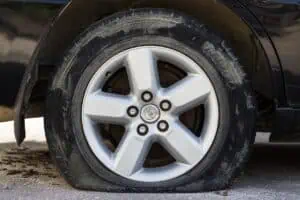
- Wear-and-tear components (tires, wiper blades, etc.)
- Damage from accidents or environmental factors
- Pre-existing conditions
- Modifications or aftermarket parts
The Cost of Car Extended Warranties
The price tag for vehicle service contracts can be substantial, typically ranging from $1,300 to $4,600 per year depending on various factors including:
- The provider (manufacturer vs. third-party)
- Your vehicle’s make, model, and year
- Current mileage
- Your location and driving habits
- Coverage level and deductible amount
One critical consideration: if you finance the extended warranty as part of your auto loan, you’ll pay interest on it, potentially adding hundreds or even thousands to the overall cost.
Are Car Extended Warranties Worth It?
The financial math often doesn’t work in the consumer’s favor. A 2013 Consumer Reports survey (their most recent on this topic) found that the average cost of an extended warranty was $1,214, but respondents reported just $837 in savings on repairs. This suggests most people don’t recoup their investment.
But the value equation isn’t purely financial. We’ve found that extended warranties may make more sense in specific scenarios:
- For luxury or high-performance vehicles with expensive components and higher repair costs
- For used cars that are no longer covered by the manufacturer’s warranty
- For drivers planning to keep their vehicle well past the original warranty period
- For those who prioritize predictable costs and want to avoid unexpected repair bills
We’ve noticed that when a vehicle requires just one major repair, such as a head gasket replacement (approximately $1,200) or transmission work (often $3,000+), an extended warranty can quickly pay for itself.
How to Make Smarter Decisions About Car Extended Warranties
Based on our experience reviewing numerous vehicle service contracts, we recommend:
- Buy manufacturer-backed warranties when possible. They typically offer more comprehensive coverage and less hassle with claims than third-party options.
- Negotiate the price. Unlike manufacturer warranties, extended warranty prices are negotiable. Don’t accept the first offer.
- Consider timing. The best time to purchase is while the vehicle is still under the original factory warranty, which typically keeps costs lower.
- Pay upfront if possible. Avoid rolling the warranty cost into your auto loan unless the amount is very small (under $300), as you’ll pay interest on it over the life of the loan.
- Check for redundant coverage. Some new vehicles come with lengthy powertrain warranties (up to 10 years/100,000 miles), making extended coverage unnecessary during that period.
Consumer Perspectives: Who Benefits Most?
We’ve observed that certain consumer groups tend to benefit more from extended warranties:
Risk-Averse Consumers
For those who prioritize predictability and security, the peace of mind alone may justify the cost. About 38% of consumers cite provider trust as a key reason for purchasing extended coverage, highlighting the psychological value these warranties provide.
Owners of High-Use or High-Risk Items
Some products simply undergo more stress than others. A washing machine in a household of six will experience more wear and tear than in a single-person home. Similarly, a laptop that travels frequently faces higher risk than one that stays on a desk.
Those Without Emergency Funds
For consumers without sufficient savings to cover unexpected repair costs, an extended warranty can provide valuable financial security, effectively functioning as a specialized insurance policy.
Business Perspectives: The Other Side of the Equation
From a business standpoint, extended warranties offer several advantages:
Revenue and Profit Generation
With profit margins between 50-70%, extended warranties represent a significant revenue opportunity for retailers and manufacturers. This explains why they’re often pushed so aggressively at the point of sale.
Customer Relationship Extension
Extended warranties keep customers connected to the business beyond the initial purchase, creating opportunities for additional sales and service relationships.
Competitive Differentiation
Businesses can use robust, fairly-priced warranty programs as a competitive advantage to distinguish themselves from rivals.
Making Smart Extended Warranty Decisions
Based on our experience and analysis, here’s how to approach extended warranty offers:
1. Consider the Product’s Reliability
Research the specific model’s reliability before purchase. Products with established track records of problems may warrant extended coverage, while highly reliable items might not.
2. Calculate the Cost-to-Value Ratio
Compare the warranty cost to the likely repair costs and probability of failure. If the warranty costs 50% of the product price for a product with a 10% failure rate, the math simply doesn’t work in your favor.
3. Read the Fine Print
Understand exactly what is and isn’t covered. Pay special attention to:
- Coverage period
- Claim process
- Exclusions
- Transferability
- Cancellation terms
4. Check Existing Coverage
Review credit card benefits, insurance policies, and other protections you may already have before purchasing additional coverage.
The Bottom Line
Extended warranties aren’t inherently good or bad – they’re financial products that make sense in some situations and not others. While the extended warranty market continues to grow rapidly (projected to reach $426.76 billion by 2033 according to some estimates), consumers should approach these offerings with careful consideration rather than fear-based purchasing.
Our take is that while it may be tempting to decline extended warranties across the board, a nuanced approach based on product type, usage patterns, personal risk tolerance, and existing coverage will yield the best results.
What’s your experience with extended warranties? Have they saved you from unexpected expenses, or do you consider them unnecessary add-ons? Whatever your stance, approaching the decision with clear information rather than checkout counter pressure will lead to better outcomes for your specific situation.
This article reflects our personal experiences and research on extended warranties. Individual circumstances vary, and we recommend consulting with a financial advisor for personalized advice on major purchase protection strategies.
Sources:
https://www.imarcgroup.com/extended-warranty-market
https://www.nerdwallet.com/article/cars/car-shopping/extended-warranty-used-car