There’s something undeniably striking about a car with wide body fitment. That aggressive stance, where the tires sit flush with widened fenders, creates a presence that turns heads at every meet and stoplight. But achieving that perfect wide body look isn’t just about slapping on wider wheels—it’s an art form that requires careful planning, proper execution, and an understanding of how all the components work together.
What Is Wide Body Fitment?
Wide body fitment refers to modifying a vehicle’s body panels to accommodate significantly wider wheels and tires than the stock setup allows. This typically involves installing wider fenders, overfenders, or complete wide body kits that extend the car’s profile outward. The goal is to fill that expanded wheel well with appropriately sized wheels and tires, creating that sought-after aggressive stance while maintaining functionality.
Unlike a simple “poke and stretch” setup where wheels extend beyond stock fenders, true wide body fitment gives you the clearance to run proper tire widths without compromising safety or legality.
Why Go Wide Body?
Aesthetics: Let’s be honest, this is reason number one for most enthusiasts. Wide body cars have an undeniable presence that makes stock vehicles look tame by comparison. That planted, muscular appearance is what automotive dreams are made of.
Performance Benefits: Wider tires mean a larger contact patch with the road, which translates to improved grip for acceleration, braking, and cornering. Track-focused builds can see significant lap time improvements with proper wide body fitment.
Customization: Wide body setups allow you to truly make your car unique. From subtle overfenders to full Liberty Walk or Rocket Bunny kits, the options are endless.
Understanding Tire Specifications for Wide Body
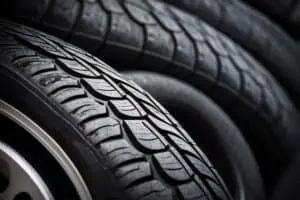
When building a wide body setup, you need to understand how tire sizing works. Tire sizes are expressed in a format like 265/35R18, where:
- 265 is the tire width in millimeters
- 35 is the aspect ratio (sidewall height as a percentage of width)
- R18 indicates it’s a radial tire designed for 18-inch wheels
For wide body applications, you’re typically looking at tire widths ranging from 245mm on the conservative end to 335mm or wider for extreme builds. Popular sizes include 265mm, 285mm, 295mm, and 315mm widths.
Choosing the Right Wheel and Tire Combination
Getting your wheel and tire specs right is crucial for proper wide body fitment. You need to consider:
Wheel Width: Your tire needs to match your wheel width appropriately. A 285mm tire typically pairs with a 9.5 to 10.5-inch wheel, while a 315mm tire needs at least an 11-inch wheel.
Offset: This determines how far inward or outward your wheel sits. Lower offsets (or negative offsets) push wheels outward, which is essential for wide body builds. You might run +35mm offset on stock but drop to +15mm or even negative offsets for wide body.
Wheel Diameter: Larger diameters (18-20 inches) are popular for wide body builds as they fill the wheel well better and allow for wider tire options.
The Fitment Formula
Achieving perfect fitment requires calculating how your wheel specs interact with your fenders. The key measurements are:
- Wheel width × 25.4 = width in millimeters
- Add the tire’s section width
- Factor in offset to determine how far the wheel/tire sits from the mounting hub
- Compare against your fender width and available space
Many enthusiasts use online fitment calculators or apps like Fitment Industries’ gallery to see what others are running on similar builds.
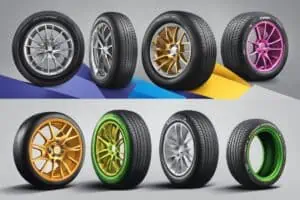
Popular Tire Choices for Wide Body Builds
Street Performance:
- Michelin Pilot Sport 4S: Excellent grip and daily drivability
- Continental ExtremeContact Sport: Great all-around performance tire
- Bridgestone Potenza S-04 Pole Position: Track-capable with good street manners
Track-Focused:
- Toyo Proxes R888R: Aggressive tread compound for maximum grip
- Nitto NT05: Popular choice for time attack builds
- Yokohama Advan A052: Competition-grade performance
Style-Oriented:
- Federal 595RS-RR: Budget-friendly with aggressive looks
- Nankang NS-2R: Semi-slick option for show cars that see occasional track use
Suspension Considerations
Wide body fitment doesn’t exist in isolation. Your suspension setup needs to complement your wheel and tire package:
Camber: You’ll likely need negative camber to tuck wider wheels under your fenders, especially in the rear. Adjustable camber arms or plates are often necessary.
Ride Height: Lowering your car helps fill the wheel wells and creates that aggressive stance, but go too low and you’ll face rubbing issues or struggle with everyday driveability.
Fender Rolling/Pulling: Even with wide body panels, you may need to roll or pull inner fender lips to prevent rubbing during compression or steering.
Installation and Maintenance
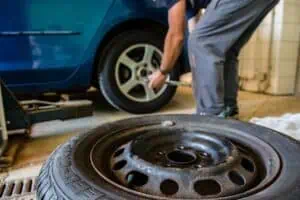
Installing a wide body kit is a significant undertaking. Most quality kits are either bolt-on (using existing mounting points with some modification) or require extensive cutting and welding. Unless you have professional-level bodywork skills, this is typically a job for an experienced shop.
Once installed, maintaining wide body fitment requires attention to:
- Alignment: Wider setups often need more frequent alignment checks
- Tire Wear: Monitor for uneven wear patterns indicating suspension issues
- Rubbing: Address any contact points between tires and fenders immediately
Legal and Practical Considerations
Before committing to wide body fitment, consider:
- Local Regulations: Some areas have restrictions on how far tires can extend beyond fenders
- Daily Driving: Wider setups can be less comfortable on rough roads and may require more careful parking
- Cost: Quality wide body kits, wheels, and tires represent a significant investment, often $5,000-$15,000 or more
Making It Work
The key to successful wide body fitment is patience and research. Study builds similar to what you’re planning, join community forums for your specific vehicle, and don’t rush the process. Measure twice, cut once definitely applies here.
Start by deciding on your wheel specs, then work backward to determine what fender modifications you’ll need. Mock up wheels with spacers before committing to permanent modifications. And remember, proper fitment isn’t just about looking good in photos—it needs to function properly through full steering lock and suspension travel.
Wide body fitment represents the pinnacle of automotive customization, blending form and function into something truly special. Whether you’re building a show car, track weapon, or just want that aggressive street presence, taking the time to get your tire and wheel fitment right will pay dividends in both appearance and performance. The result is a car that doesn’t just look wider—it looks meaner, faster, and undeniably purposeful.